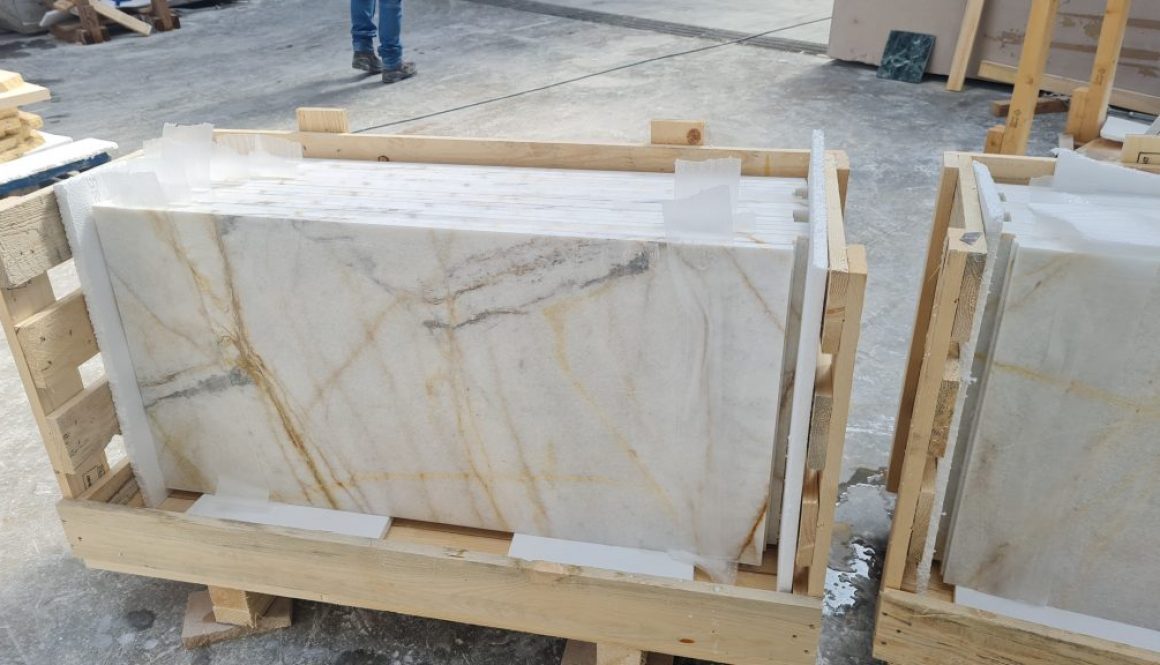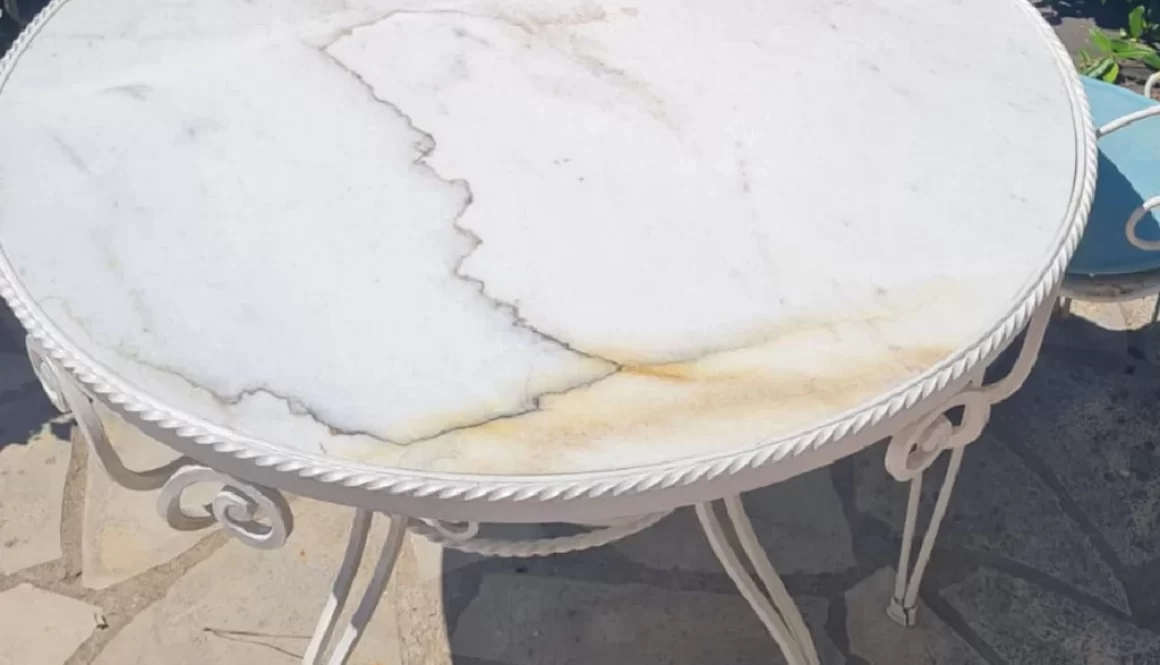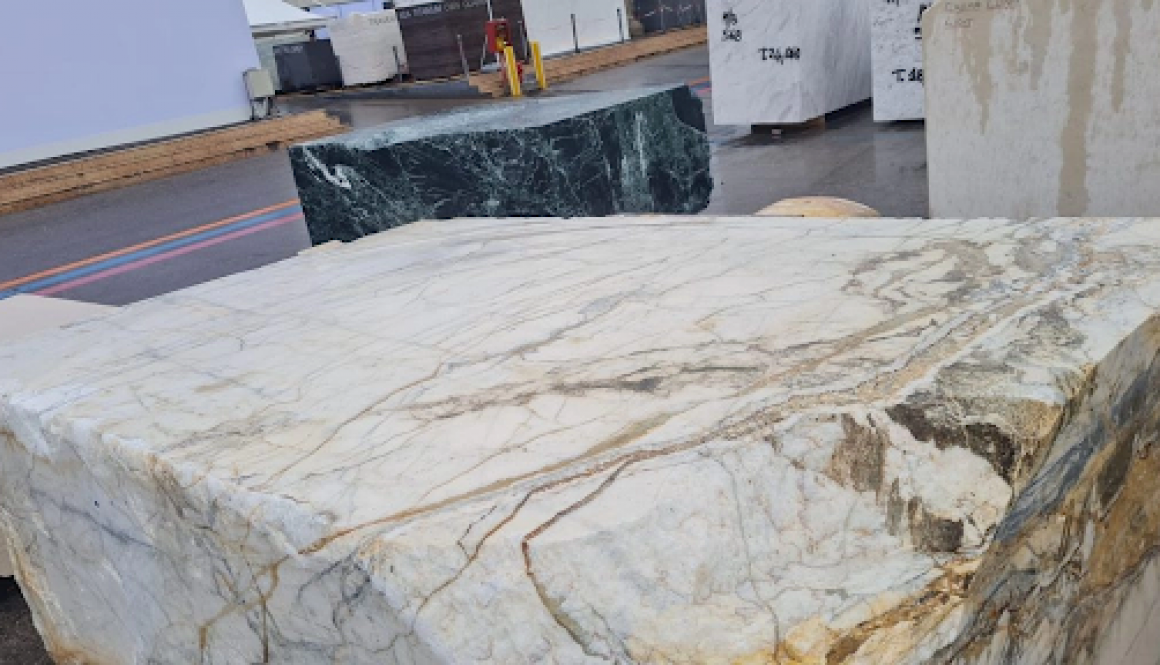



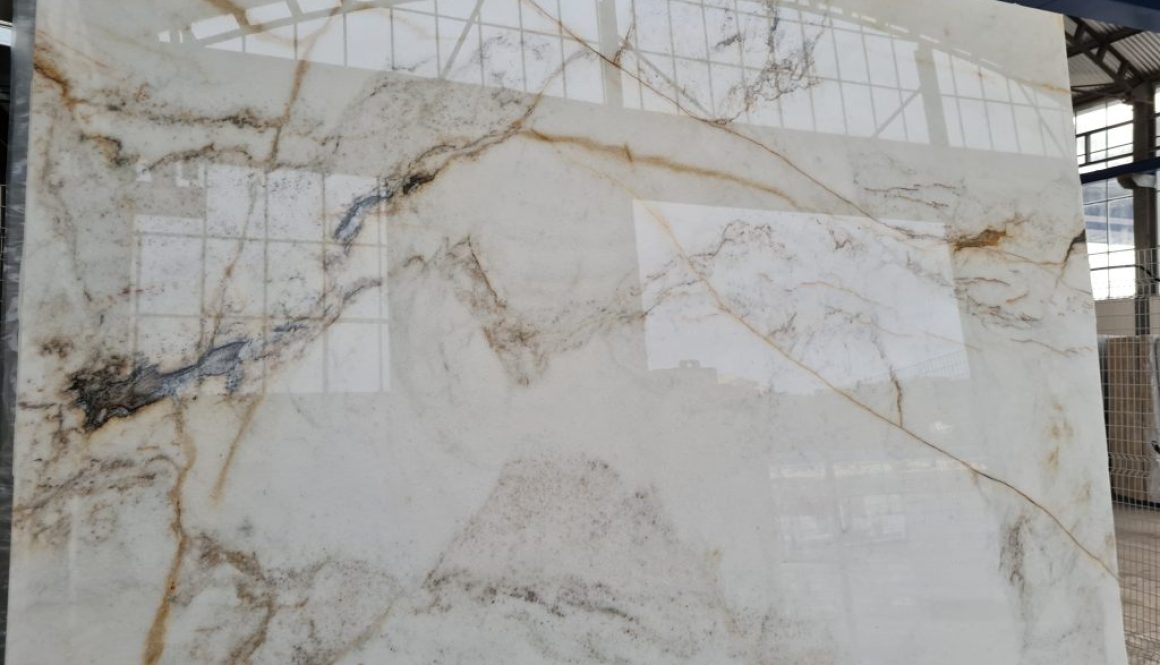
What is Calacatta Marble: The Essence of Luxury and Beauty
Calacatta marble is one of the most recognized and sought-after natural stones in the world. Its signature white background, bold veining, and Italian provenance—specifically its origin in the Apuan Alps—have made it a benchmark for luxury in residential and commercial design alike, serving as a striking focal point in any room or space. Calacatta marble is rarer than other types of marble, such as Carrara, due to its limited quarrying locations in the Apuan Alps of Italy, which contributes to its high demand and value in the global market.
But not all white marble is Calacatta — and understanding what sets it apart is essential. Calacatta is considered the perfect marble for high-end projects because of its rarity and prestigious status in the natural stone market. It is also a durable natural stone, valued for both its beauty and longevity.
This guide covers everything you need to know: its origin, varieties, finishes, maintenance, and how it compares to similar Italian marbles.
Origin of Calacatta marble?
True Calacatta marble comes from the Calacatta quarry that is located in Carrara, and the quarry was opened in the 1920s. Italy has been a top marble source for over 2,000 years, this is due to the high calcium carbonate content in the mountains.
This marble was discovered in the 1920s by the owner of the Namesake Calacatta quarry in Carrara. The seat in Carrara town was originally covered in regular white marble, but the newly found marble has gray and gold patterns; It quickly caught people’s attention.
In the late 1960s, Calacatta became popular for upscale home builds; Its popularity continued to grow in the 1990s as a luxury status symbol. Now, Calacatta is one of the most sought-after marbles; Its limited supply adds to its reputation.
Only parts of the Carrara Mountains produce the right Calacatta patterns. Carrara marble has been called the “marble of kings” because it has been used historically in top sculptures, buildings, and art; out of thousands of regional quarriеs, about a dozen yield real Calacatta.
What Makes Calacatta Marble Distinctive?
Calacatta marble is defined by three primary characteristics:
– A bright white background — Unlike Carrara marble, which typically has a soft blue-gray undertone, Calacatta’s base is a purer, warmer white, characterized by its luminous brightness.
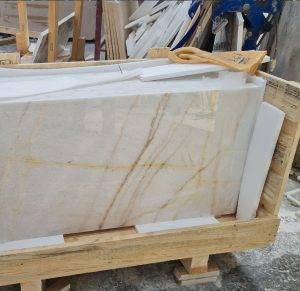
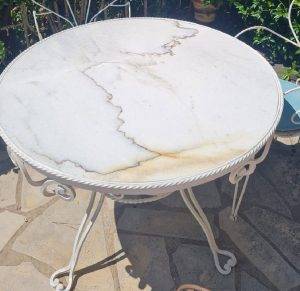
– Bold, expressive veining — The veins — running in shades of gray, gold, taupe, or green-gray — are typically thick, bold, and dramatic, often featuring prominent gold veining that distinguishes Calacatta from other marbles. Each slab is uniquely created by nature, with no two pieces sharing the same pattern. The veining is shaped and created by natural geological processes over millions of years, resulting in a dramatic contrast against the white base and contributing to the marble’s timeless and elegant appeal.
– Warm undertones — Many Calacatta varieties carry subtle warmth in their background tone, which makes them particularly well-suited to natural light environments and warm interior palettes.
Michelangelo famously favored marble from the Carrara mountains — and Calacatta’s combination of sculptural beauty, timeless appeal, and elegant patterns continues to attract architects and designers who prioritize both aesthetics and prestige.
Types of Calacatta Marble
Calacatta is not a single stone but a family of varieties, each with distinct visual characteristics:
– Calacatta Gold — White background with gold and beige veining. One of the most popular choices for kitchen countertops and bathroom vanities.
– Calacatta Statuario — Exceptionally white background with fine, delicate veining. Among the rarest and most expensive varieties available.
– Calacatta Vagli — White background with dense gray, gold, and green veins. More dramatically veined than most other varieties.
– Calacatta Viola — White background with distinctive violet veining. A trending specification in contemporary luxury interiors.
– Calacatta Cremo — Cream-toned background with soft gold and cream veining. Warmer and more subtle than Gold or Statuario varieties.
– Calacatta Caldia — Ivory-white background with gold and gray veining. A softer, more porous stone best suited to lower-traffic applications.
– Calacatta Murano — A compact, dense variety with exceptional technical properties. Unlike most natural marble, Calacatta Murano is naturally waterproof, oilproof, and acid-resistant — verified through laboratory testing. This makes it one of the most practical selections for countertops, bathrooms, floors, and kitchen environments where standard marble would require regular sealing and careful maintenance.
For projects where beauty and performance are both non-negotiable, Calacatta marble slabs in the Murano variety offer a compelling combination of luxury aesthetics and long-term durability.
What finishes are available for Calacatta Marble?
The two most popular finishes are:
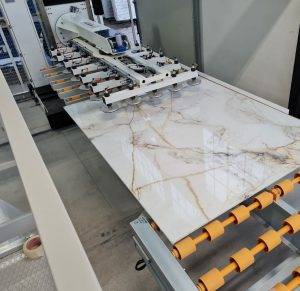
Polished: The glossy surface enhances the white and makes dramatic veining stand out. Formal aesthetics require frequent sealing.
Honed: Soft texture shows subtle patterns beautifully.
Other options are brushed or sandblasted. Choice impacts the visual effect and durability.
What are the common uses for Calacatta Marble?
Calacatta marble is used across both residential and commercial contexts:
– Kitchen countertops and islands — a primary specification for luxury kitchens
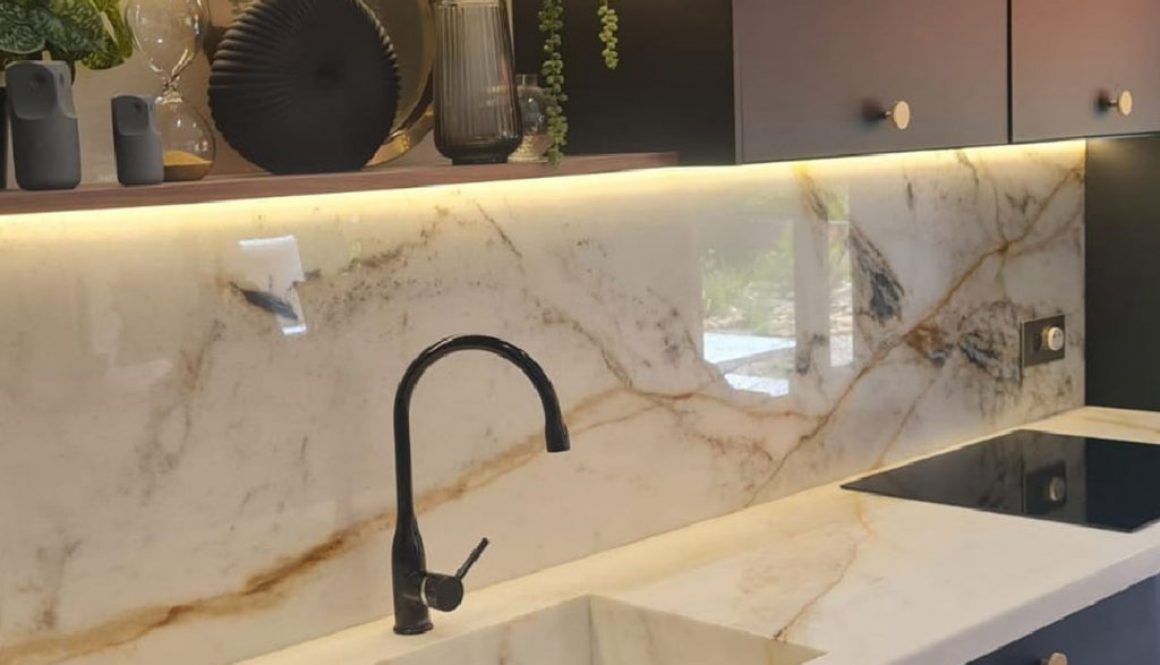
– Full-height backsplashes — creates continuity and visual impact
– Bathroom vanities and wall cladding — standard in high-end hospitality and residential baths
– Flooring — used in entryways, foyers, and open-plan living spaces
– Commercial interiors — executive offices, hotel lobbies, and retail environments
The scale of veining in most Calacatta varieties makes it particularly effective when used in large, unbroken surfaces — where the natural pattern can be appreciated as a composition rather than a repeating tile.
What maintenance does Calacatta Marble require?
Most Calacatta marble varieties are porous materials that require proper care to preserve their appearance and prevent staining and damage:
– Seal every 6–12 months to protect against staining and etching, as Calacatta marble is a porous natural stone.
– Wipe spills immediately — acids from citrus, wine, and coffee can etch polished surfaces and cause stains if not cleaned up promptly.
– Use pH-neutral cleaners — avoid acidic or abrasive cleaners, which can damage the stone’s surface.
– Use coasters and trivets in kitchen applications
– Professional deep cleaning may be necessary every few years depending on use
Honed finishes are generally more porous than polished and may require more frequent sealing.
The exception is Calacatta Murano, which requires no sealing. Its natural density makes it resistant to water, oil, and acids without any protective treatment — a practical advantage in kitchens and baths where other marble varieties demand more care.
Proper care, including regular sealing and gentle cleaning, is essential to maintain the beauty and durability of Calacatta marble surfaces.
What makes This Marble unique from other natural stones?
The rare balance of white and gray only found in the Calacatta quarry defines the stone. Their characteristics include the following:
- Very limited supply
- One-of-a-kind grеy and gold artistic vеining
- Bright white background
- Warm undertones from big to grееn-grеy
- Favored for luxury residential or commercial use
- Prеstigious Italian hеritagе
Calacatta marble is renowned for its dramatic, bold veining, which stands in contrast to the softer veining and more subtle gray tones found in Carrara marble. The quality of Calacatta marble can vary significantly; slabs with bolder veining and fewer natural flaws typically command higher prices.
No marble or quartz replicates the famous Calacatta veining. It delivers immediate, bold elegance.
Calacatta vs. Carrara vs. Statuario Marble
These three Italian marbles are frequently confused, but they differ significantly in appearance, rarity, and price:
| Calacatta | Carrara | Statuario | |
| Background | Warm, bright white | Blue-gray white | Very bright white |
| Veining | Bold, expressive | Fine, consistent gray | Fine, wispy |
| Rarity | High | Common | Very high |
| Price range | $300–$400 per square foot (Premium) | Accessible | Premium–ultra |
| Best for | Statement surfaces | High-volume builds | Minimalist luxury |
Carrara: Most common white marblе. Lower cost, larger stock, frequently carved. Can lack tone uniformity or have heavy gray markings.
Statuario: Very white with finely gritty, wispy vocal patterns. Also solely quarriеd in Carrara.
Calacatta has warm, bright tones and pronounced gray veins. It is both beautiful and practical, making it the top choice among elite options.
Frequently Asked Questions
Is Calacatta marble the same as Carrara marble?
No. Both come from the Carrara region of Italy, but they are distinct stones. Calacatta has a warmer, whiter background and bolder veining. Carrara marble is more common, less expensive, and typically has a blue-gray tone with finer, more uniform veining.
Why is Calacatta marble so expensive?
Calacatta’s price reflects its limited supply — only a small number of quarries in Carrara produce authentic Calacatta patterns — combined with high demand in luxury construction markets. The cost also varies significantly between varieties, with Statuario and Murano commanding the highest prices.
Can Calacatta marble be used in kitchens?
Yes, but standard Calacatta varieties require careful maintenance in kitchen environments. Acidic foods and liquids can etch polished surfaces, and the stone should be sealed regularly. Calacatta Murano is the most kitchen-appropriate variety due to its natural acid and oil resistance.
How do I know if Calacatta marble is authentic?
Authentic Calacatta comes exclusively from the Calacatta quarry area in Carrara, Italy. When sourcing, request provenance documentation from your supplier. Reputable vendors who supply Calacatta marble slabs will be able to trace the stone back to its quarry of origin.